

Events

Share
Published 15:13 16 Feb 2026 GMT
Updated 16:40 16 Feb 2026 GMT

The backlash has been instant. If you look at the comments on The Hoxton’s Instagram, the sentiment is clear. Many on social media are calling out the familiar story of a corporate entity moving into a historic Irish building and immediately trying to mute the culture next door.
We’ve seen our favourite nightclubs disappear more often than the friend who says they’ll get you a pint in exchange for getting the taxi. The loss of Hangar and the Tivoli Theatre remains a massive scar on the city’s cultural map; both were flattened to make way for (you guessed it), more hotels that the city so ‘desperately’ needs.
The statistics from Give Us The Night are a stark reminder of where we’re headed. In 2000, there were 522 active nightclubs in Ireland. As of 2025, there were just 83 active nightclubs left. That’s an 84% decline. Every single injunction feels like a threat to what’s left of Dublin's character.
When the hotel was granted planning permission in mid-2021, Dublin City Council’s Development Plan already contained protections for precisely this scenario. Hotels built beside established late-night venues are required to demonstrate how design and sound insulation will prevent disruption to existing businesses. The policy explicitly recognises “the cultural value of a thriving club and dance scene.”
So, what’s next? Following a massive public outcry, there has been a slight pivot. Trinity Hospitality stated that joint sound testing occurred over the weekend to find a "collaborative solution" that allows both businesses to thrive. It’s a step back from the ledge, but the damage to the brand is likely already done.
In response to the injunction, a protest has been called for Tuesday, February 17th, at 6pm outside The Hoxton. Speaking to Newstalk, musician and activist Eoghan Ó Ceannabháin summed up the mood: "People are sick of the loss of cultural venues in the city."
Events

Events

Events

Events

Events

Events
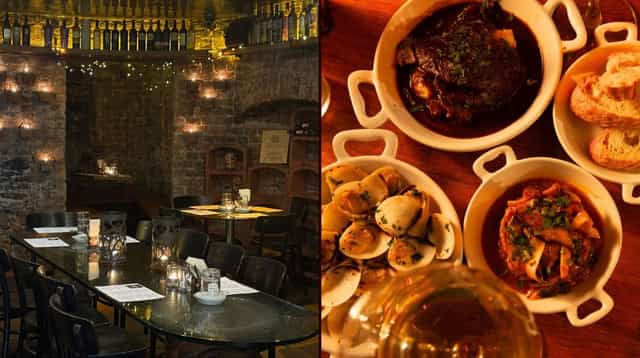
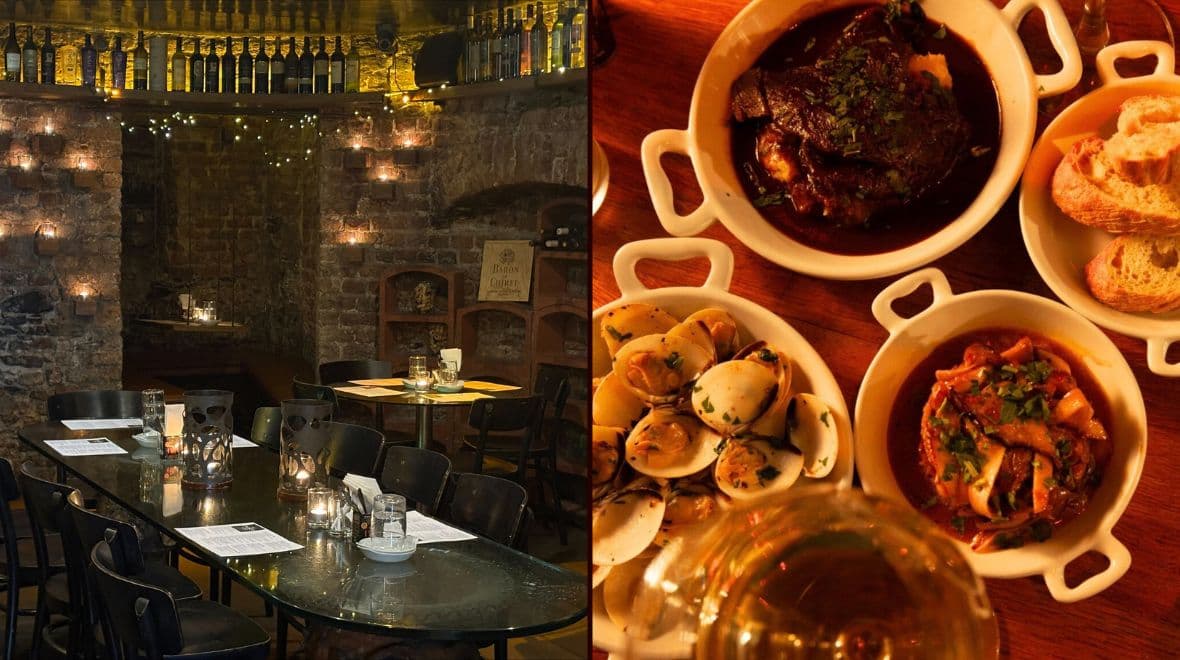
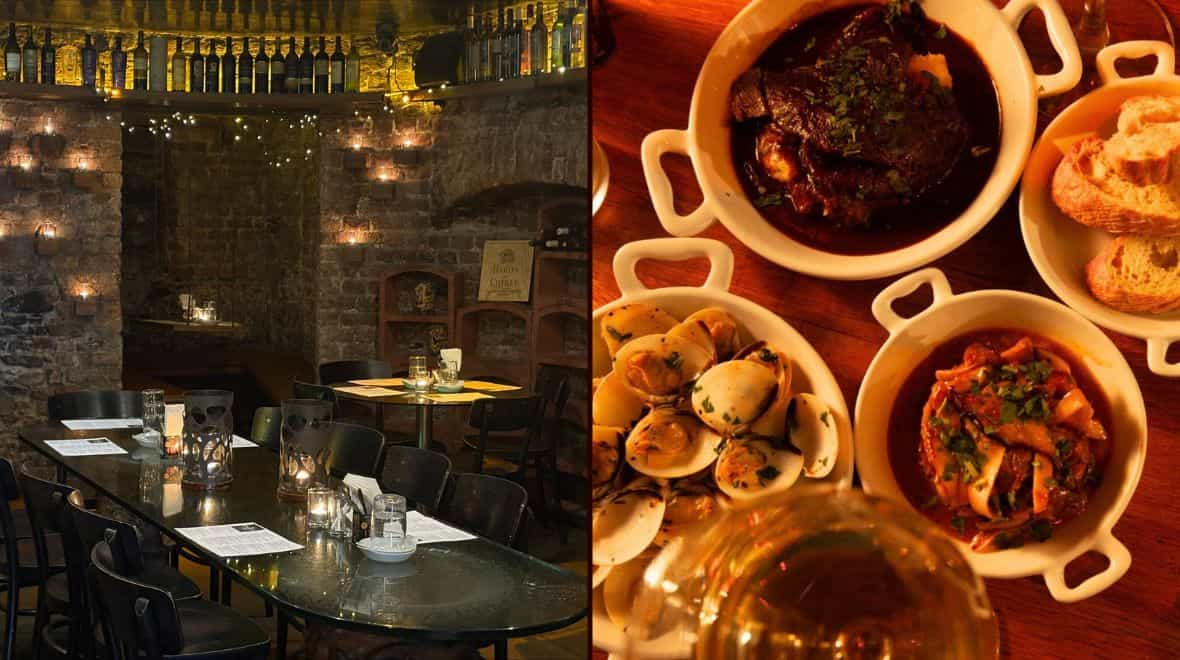
Dublin’s nightlife is hanging by a thread, and the latest news out of George’s Street feels like another tug at the loose end. Last year, Yamamori celebrated 30 years as a staple of Dublin city - contributing to the city’s culture by operating two late-night venues and even helping to introduce Japanese cuisine to Ireland. They’re a family-run business, started by the late Derek Ryan back in 1995. He opened the first restaurant on a then-derelict George’s Street, when over half the street was empty. The Hoxton - the London-born hotel brand - opened its doors in the old Central Hotel this past November.
The building’s leaseholder, Trinity Hospitality, is now seeking a High Court injunction against Yamamori Izakaya over noise levels. The hotel claims that noise has made 31 of its 129 rooms unusable. Trinity Hospitality clarified that the proceedings are not seeking to close the venue, but rather to advance a testing and resolution process. They claim that since the hotel closed for refurbishment, late-night DJ events moved from the basement to the ground-floor restaurant, which they say lacks the structural-acoustic measures to handle the noise.
Hangar was monumental for electronic music in the city centre, while the Tivoli had been a cultural anchor on Francis Street for decades. Many feel that seeing these icons traded for tourist beds is a clear message from the powers above: Dublin is a city for tourists first, and residents second. It follows the same logic as the Street 66 saga, where neighbours moved in long after the venue was established and took the bar to court over noise levels. It feels particularly cynical when reports suggest the hotel plans to open its own nightclub on-site; it seems less like a genuine noise concern and more like a move to clear the competition.