

Events

Share
Published 15:47 12 Nov 2026 GMT
Brought to you by the National Dairy Council
When we reach for yogurt from the refrigerated aisles of the supermarket, or when we pour a generous helping over fresh fruit, chances are, we don't really think about all the work that goes into the product. From the clover fields the cows feed upon to the production process, a lot goes in to each pot of Irish yogurt.
Once you consider the dedicated effort involved in yogurt production, it's hard to stop thinking about it, and, naturally enough, we're left with questions. We could turn to Google of course, or pop our concerns into AI, but no one has the inside scoop on the topic better than real-life dairy farmers.
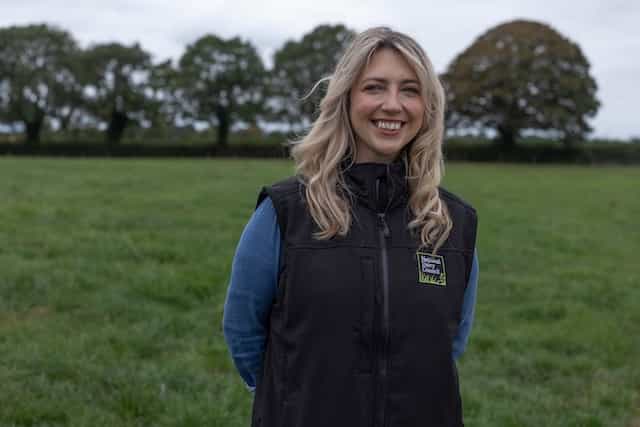
We caught up with Katie Gleeson, an Irish dairy farmer and farmer ambassador for the National Dairy Council, who was only too happy to answer our most pressing questions.
Why is grass such an important part of Irish dairy farming?
Before I've opened my morning yogurt, what have farmers already done on the farm?
Is biodiversity relevant to dairy farming?
What do farmers enjoy most about their jobs?
What skills do you need to become a dairy farmer?
Multitasking is fairly essential! You’re caring for animals, managing grassland, soil science, data management, business ownership, and much more. The job description can expand considerably by lunchtime depending on what the day or the weather throws at you. You need patience, resilience, a sense of humour is helpful and bucket loads of optimism.
Where can I go to learn more?
You can learn more about how Irish dairy farmers are working towards their sustainability goals right
Events

Events

Events

Events

Events

Events
Cows do something really amazing: they turn grass, which we can’t eat, into milk for foods like yogurt. Grass, either grazed or saved as silage, forms the bulk of their diet on both ours and most other Irish dairy farms. Our job is to create the best conditions to grow the most grass, which includes soil testing for nutrients, incorporating clover and managing a rotation for when the cows graze each field. We calve in spring so the herd’s milk production follows the grass-growing season. There’s a whole system behind how we farm in Ireland.


Dairy farmers are early birds, although I’m not sure we’d all describe it as a lifestyle choice! We’re up around 5:30am to bring the cows in for milking at six. It takes about two hours, and while they’re in the parlour, we check that our cows are healthy, well and content. By 8am, they’re heading back to the fields. We move the fences the evening before to give them fresh grass and check their water troughs. The 5 to 9 is just as important as the 9 to 5!
Absolutely. We work alongside the natural world every day. The cows get plenty of attention, but there’s a whole other living community on the farm. Healthy soils help grow our grass, while trees and hedgerows provide shelter, protect waterways and wildlife habitats. Hedgerows are like the M50 for biodiversity, creating safe pathways for wildlife to move across the countryside, connecting lots of different habitats. Ireland has enough hedgerows to circle the earth approximately 17 times. Looking after that network is part of looking after the farm.

Seeing the milk tanker leave the farm gate gives me a real sense of pride – that’s our work heading off to become food for people's everyday life. I love working outdoors and seeing the results of the care we put in. This farm supports three generations, and we’re raising our family here; it's not only a job but a way of life. Knowing our milk becomes food like yogurt on breakfast tables, from Olympic athletes to families trying to get everyone out the door, feels like meaningful work.
Why is Ireland so well suited to dairy farming?
The rain we spend so much time discussing is actually one of our greatest assets, which is just as well, given how much we get! Our mild Atlantic climate is ideal for growing grass and gives us a long grazing season. Our cows have been out since early March, and we hope to keep them grazing until mid-November, weather-permitting. Add generations of farming knowledge, family farms and farmer-owned co-ops, and dairy has strong roots here, both in the land and in our communities.